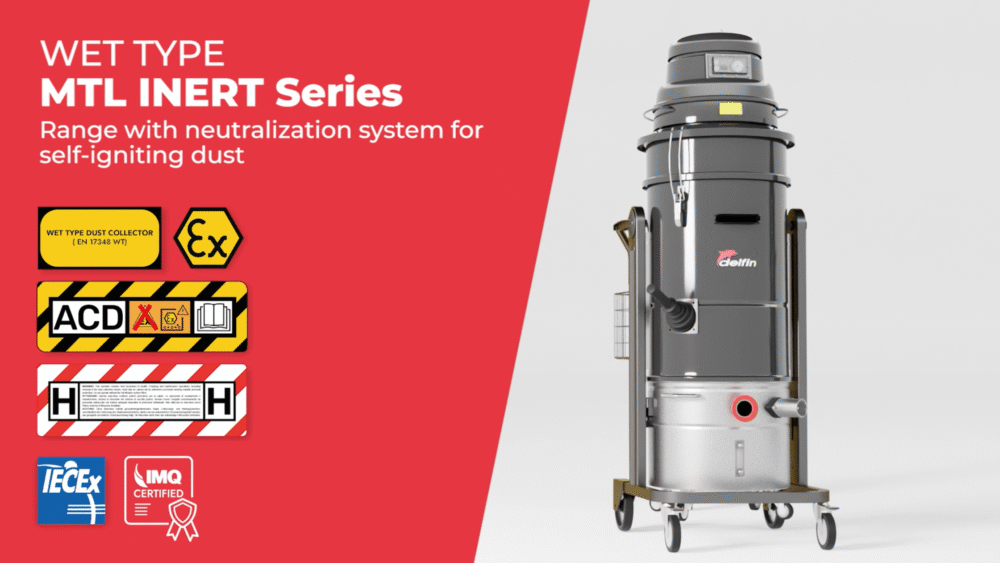


Maximise the Lifespan of Your Industrial Vacuum: Maintenance Tips for Peak Performance
Is your industrial vacuum cleaner losing suction or breaking down mid-shift? The consequences — lost productivity, increased safety risks, and costly repairs — can quickly add up. While Delfin industrial vacuums are engineered for durability and often 24/7 operation, even the most robust machines need regular care to perform at their best.
At Industrivac UK, we know that proper industrial vacuum maintenance is key to ensuring long-term reliability. As Delfin states, “Good operation and durability depend on proper maintenance and careful use,” with a particular focus on the filtration system as critical to product lifespan.
This guide covers essential maintenance tips to help you extend the life of your Delfin industrial vacuum, reduce downtime, and keep your facility running smoothly.
Why Industrial Vacuum Maintenance Matters
Before we look at the “how,” let’s understand the “why” of routine vacuum maintenance:
• Optimal Performance – Maintain strong suction power and efficient filtration.
• Longer Equipment Lifespan – Prevent wear and damage to filters, motors, hoses, and seals.
• Minimal Downtime – Proactively identify issues before they escalate into costly repairs.
• Cost Efficiency – Save money on parts, service, and energy by maintaining peak operating conditions.
• Workplace Safety & Compliance – Ensure filters are effectively removing dust and fumes. For ATEX-rated vacuums, proper maintenance is essential to meet safety standards in hazardous environments.
Daily Maintenance Checklist: Keep Your Vacuum Ready to Work
These daily tasks keep your industrial vacuum cleaner performing reliably and efficiently:
1. Empty the Collection Container or Vacuum Bag
• Overfilling reduces suction and risks filter contamination.
• Empty bags or bins regularly — before they are completely full — following your unit’s model-specific instructions.
• For liquid vacuum models, empty tanks immediately when full to prevent motor damage.
2. Inspect Hoses and Attachments
• Check for cracks, holes, kinks, or blockages that can reduce airflow.
• Clear any debris from attachments and ensure airtight connections.
3. Check Filter Condition and Use Filter Shaker (if equipped)
• A clogged vacuum filter is the #1 reason for reduced suction.
• Use the manual filter shaker if applicable and monitor pressure gauges for high readings.
• Perform frequent visual inspections, even between scheduled deep cleans.
4. Clean the Exterior
• Wipe down the machine daily to prevent grime build-up on switches and vents. It also helps spot damage early.
Weekly or Bi-Weekly Maintenance: Go Beyond the Surface
1. Deep Clean Vacuum Filters
• Understand your filter cleaning system (manual shaker, DUSTOP, SELF CLEAN, or PN pulse-jet).
• Wash reusable filters (if approved) with warm, soapy water. Allow them to dry completely before reuse.
• Always wear PPE when handling fine or hazardous dust.
2. Inspect Power Cords and Electrical Connections
• Look for signs of wear, fraying, or overheating. Damaged cords are dangerous — have them replaced by a qualified technician.
3. Check Wheels and Castors
• Ensure smooth rotation. Clean and lubricate axles as needed to avoid mobility issues.
4. Inspect Gaskets and Seals
• Check for wear or cracks around the motor head and collection chamber. A poor seal can cause suction loss and leak contaminants into the workspace.
Monthly & Annual Maintenance: Deep-Dive for Long-Term Reliability
1. Monitor Motor Health
• Listen for strange noises like grinding or squealing.
• Watch for excessive heat during operation.
• For high-use environments, consider a motor safety valve to prevent overheating.
2. Clean the Internal Housing
• Periodically remove the filter and collection container to clean the vacuum interior, eliminating hidden dust buildup.
Common Maintenance Mistakes to Avoid
Avoid these common missteps that shorten the life of your industrial vacuum:
• Ignoring Warning Signs – Reduced suction, strange noises, or visible leaks need immediate attention.
• Using Non-Genuine Replacement Parts – Generic filters and components can void warranties and reduce performance.
• Overloading – Never exceed your vacuum’s intended capacity for dust, debris, or liquids.
• Forgetting to Unplug Before Maintenance – Safety first. Always disconnect the power source before inspection or service.
Always Refer to Your Delfin Vacuum Manual
Each Delfin industrial vacuum model may have unique components and cleaning systems. Your manual contains detailed servicing instructions tailored to your unit. If your manual is missing, contact Industrivac UK to request a replacement.
Final Thoughts: Protect Your Investment
By following these industrial vacuum maintenance tips, you’ll extend your vacuum’s lifespan, maintain optimal performance, and avoid costly breakdowns. Regular maintenance also ensures you’re meeting safety standards and operating efficiently.
Need Help?
✅ Looking for genuine Delfin filters or spare parts?
✅ Want tailored advice for your specific Delfin model?
✅ Need a professional service for your vacuum fleet?
Contact Industrivac UK today — our expert team is here to support your maintenance needs and help maximise your equipment investment.