
Understanding how to choose an industrial vacuum is essential for maintaining efficiency, cleanliness, and safety across your operations. With a wide range of industrial vacuum systems available, selecting the correct solution for your application can feel complex, but getting it right delivers long-term performance and cost savings.
This guide breaks down the key considerations to help you choose the most suitable industrial vacuum for your needs.
________________________________________
Watch the Full Guide
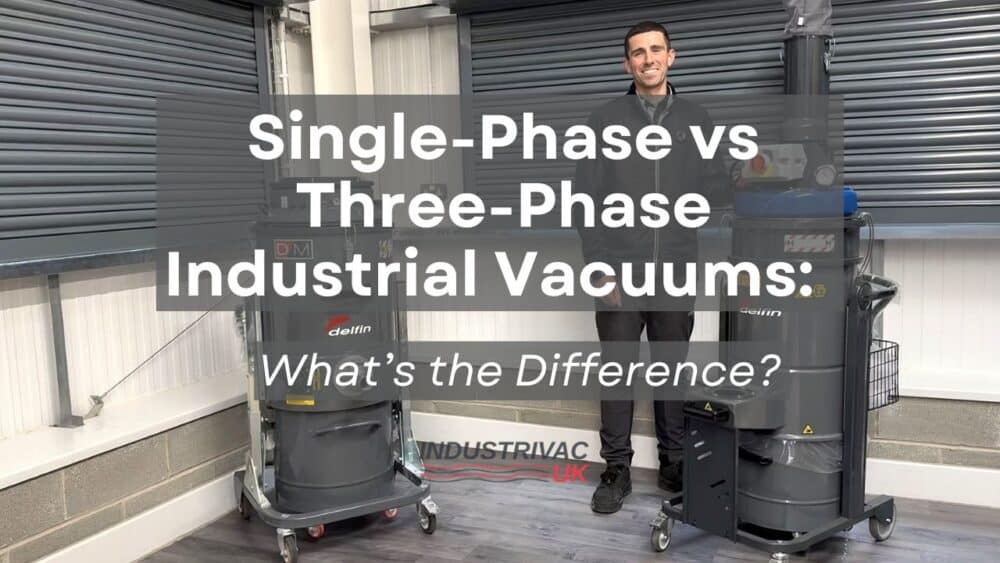
If you’d prefer a visual walkthrough, you can watch our complete guide below. This video covers everything from selecting the right system to understanding key safety considerations.
Watching the video alongside this guide can help reinforce the key points and give you a clearer understanding of which system is right for your application.
________________________________________
Why There’s No One-Size-Fits-All Solution
The first and most important principle is that industrial vacuum systems are not universal. The ideal solution depends entirely on three core factors:
- What material you are collecting
- Where the system will be used
- The level of performance required
Understanding these variables will narrow down your options quickly and ensure you invest in a system that delivers optimal results.
________________________________________
The 3 Key Factors to Consider
1. What Are You Collecting?
The type and volume of material being collected is the most critical factor.
- Fine dust and powders require advanced filtration systems, often including HEPA filters
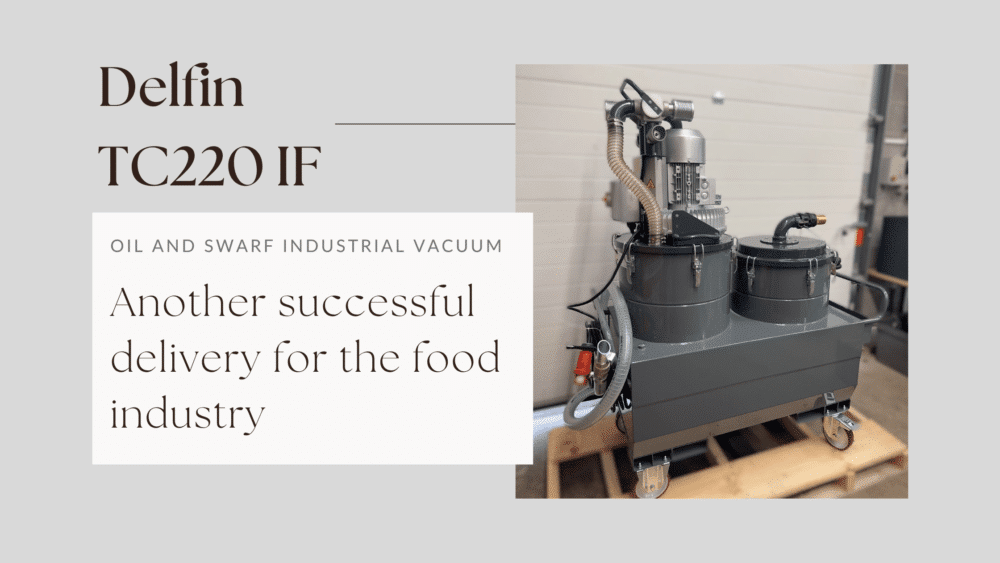
- Heavy debris or metal swarf demands higher suction power and durable construction
- Liquids or mixed materials require specialised wet and dry systems
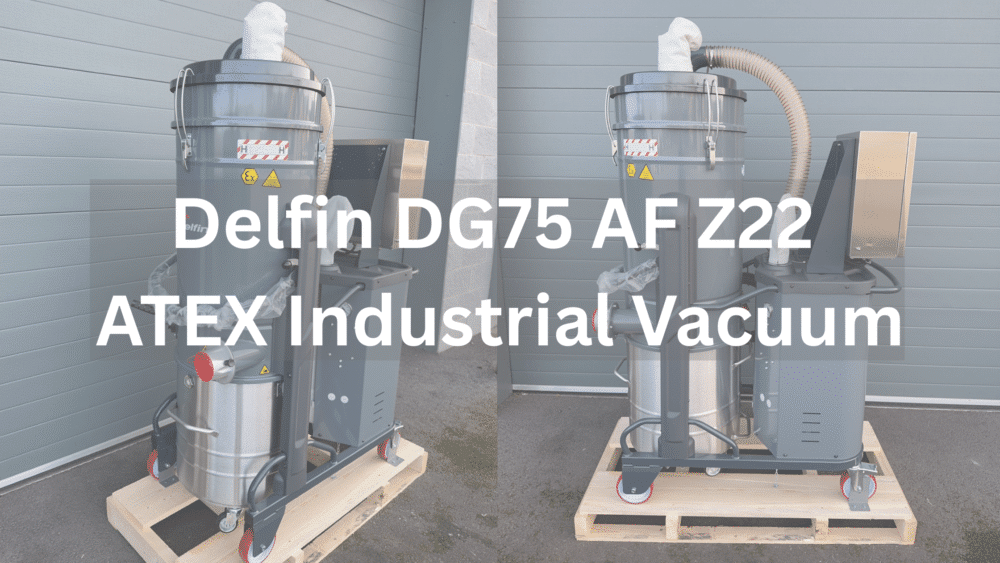
- Hazardous or explosive materials may require ATEX-certified equipment – ATEX Rated Industrial Vacuums
Choosing a vacuum without considering material type can lead to poor performance, filter blockages, or even safety risks.
________________________________________
2. Where Will It Be Used?
Your working environment directly influences the type of industrial vacuum required.
- General industrial environments may allow for flexible, portable systems – Single Phase Industrial Vacuums
- Cleanrooms or controlled environments require specific filtration and compliance standards – Cleanroom & Pharmaceutical Industrial Vacuums
- Hazardous areas may need air-powered (venturi) systems instead of electrical units – Air Powered Industrial Vacuums
- Large facilities might benefit from centralised vacuum systems – Centralised Vacuum System
Mobility is also a key consideration, do you need a portable unit or a fixed installation across multiple locations?
________________________________________
3. What Level of Performance Do You Need?
Usage intensity determines the power and build of your system.
- Occasional use → Single-phase vacuums (110V or 240V)
- Continuous, heavy-duty use → Three-phase industrial vacuums
- Hazardous environments → Air-powered systems
You must also align your vacuum choice with your available power supply, whether that’s electrical or compressed air.
________________________________________
Types of Industrial Vacuum Systems
Once you’ve defined your requirements, selecting the right system becomes much easier.
- Portable Single Phase Vacuums – Ideal for general cleaning and flexible applications
- Three Phase Vacuums – Built for continuous operation in demanding environments
- Air Powered (venturi) vacuums – Suitable for hazardous or explosive atmospheres
- Centralised Vacuum System – Designed for large-scale facilities with multiple extraction points
The key takeaway: your application should always dictate the system, not preference or price alone.
________________________________________
Safety and Compliance Considerations
In many industries, safety is non-negotiable.
- ATEX-certified vacuums are essential for combustible dust environments
- HEPA filtration is critical for fine or hazardous dust
- Anti-static and spark-proof systems reduce ignition risks
Not understanding how to choose an industrial vacuum is not just inefficient, it can create serious safety hazards and compliance issues.
________________________________________
Practical Considerations That Matter
Beyond performance and safety, practical usability plays a major role:
- Container capacity – Larger volumes reduce downtime from emptying
- Waste handling – Especially important for hazardous materials
- Disposal systems – Endless bag or sealed systems improve operator safety
- Ease of maintenance – Quick access reduces servicing time
- Mobility – Important for dynamic or multi-area operations
These factors directly impact productivity and total cost of ownership.
________________________________________
Common Mistakes to Avoid
Many businesses make the same avoidable errors:
- Choosing based on price rather than application fit
- Underestimating usage frequency
- Ignoring safety requirements like ATEX or filtration standards
These mistakes often lead to reduced performance, higher maintenance costs, and premature equipment failure.
________________________________________
Choosing the Right Partner
Selecting the right industrial vacuum is not just about the equipment, it’s about expertise.
At Industrivac UK, the focus is on understanding your specific application and recommending a solution that delivers long-term performance, compliance, and efficiency.
If you’re unsure which system is right for your operation, expert guidance can save significant time and cost while ensuring you get it right the first time. Contact us today!